UK government approves Jackdaw gasfield in the North Sea
Ministers have granted environmental approval for the Shell and Equinor-backed field, with gas due to flow from the end of October, as the decision sharpens political tension over Labour's North Sea policy.

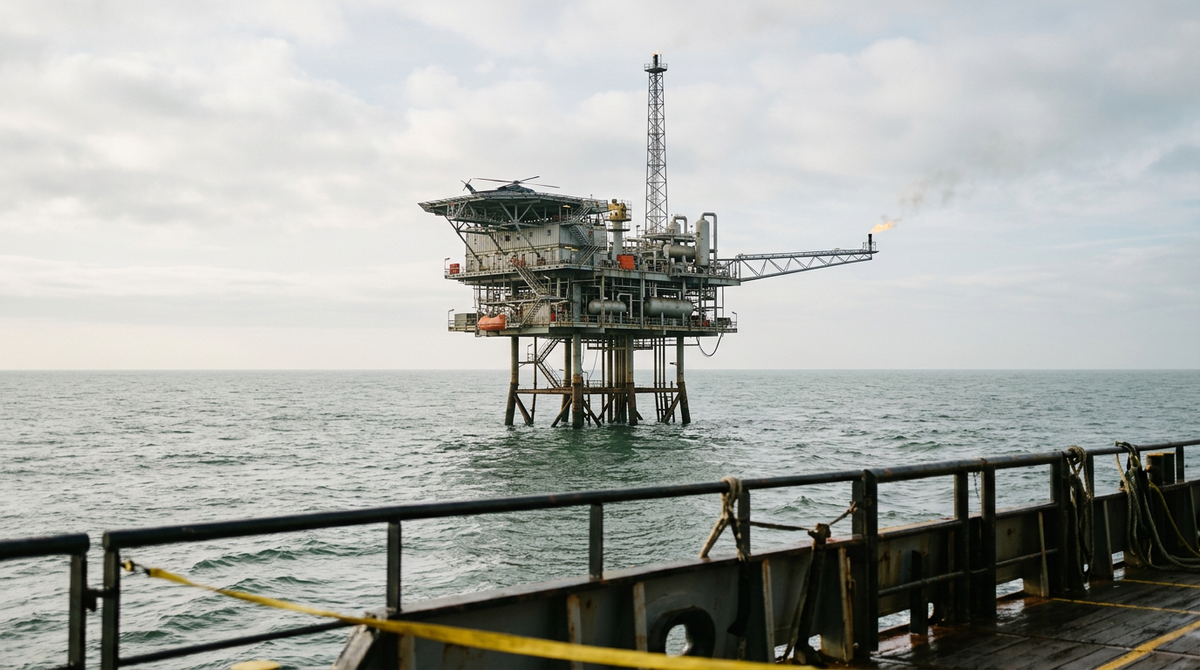
The UK government has approved the Jackdaw gasfield in the North Sea, a decision that had been widely expected but is likely to draw criticism from environmental campaigners and some Labour MPs.
The government said Jackdaw will begin supplying gas to homes and businesses from the end of the month.
Approval under existing licences
Labour's 2024 election manifesto committed to ending new North Sea drilling licences. The companies behind Jackdaw, and those behind the separate Rosebank oil project, are instead seeking environmental approval for licences that already exist. Both resubmitted their applications earlier this year. The Rosebank decision is being taken separately.
Jackdaw is owned and operated by Adura, an independent joint venture split equally between Equinor and Shell. Both companies hold licences to operate, but the project's environmental approval was rescinded after a judge ruled that developers must account for the carbon emissions from burning the oil and gas they produce.
The decision on Jackdaw had been expected last month. It was delayed, apparently to fall after the Holborn and St Pancras byelection on 8 October, which Labour won against a Green challenge, the Guardian reported.
Government rationale
Prime minister Andy Burnham said drilling at Jackdaw would "protect hundreds of jobs and help keep millions of homes warm this winter". He said the government remained committed to renewables and net zero by 2050, but that oil and gas would still be needed for decades. He described the approach as pragmatic.
Energy secretary Miatta Fahnbulleh said she had agreed that the regulator can grant consent for production. She said the field would support energy security this winter and reduce reliance on imported fuels with higher emissions. She added that the decision is compatible with the UK's legally binding climate commitments and that the government remains committed to ending new oil and gas licences.
Asked about employment, Fahnbulleh said the field would create 27 jobs and secure 273, though she said jobs were not the primary consideration.
The government also plans to launch an energy wealth fund with a £2bn downpayment, to reinvest oil and gas revenues in the climate transition. It hopes the fund will show that approving new fields does not conflict with its climate goals.
Industry and campaigners
The oil and gas industry says Jackdaw and Rosebank together would provide 10% of UK output at their peak. Adura commissioned a report this week which said rejecting the two projects would cost the UK economy almost £10.8bn over the next decade.
Campaigners dispute the benefits. Tessa Khan, executive director of Uplift, said Jackdaw would meet around 2% of UK gas demand for roughly 10 years. She said its employment benefit had been oversold because the field will be largely unmanned and operated remotely.
Greenpeace UK's Ami McCarthy said the project would not lower bills or improve energy security, and warned that approving Rosebank would release as much carbon as 56 coal plants operating for a year. Green party leader Zack Polanski called the decision "climate vandalism".
Political exposure
The decision could help Labour in north-east Scotland, where much of the industry is based and where unions have campaigned for the permits. It may unsettle Labour MPs in seats facing a Green challenge.
A Savanta poll for climate group E3G, seen by the Guardian, found that nearly a third of voters would be less likely to back Labour if it allowed more North Sea oil drilling. That included almost exactly a third of 2024 Labour voters and about half of 18 to 24-year-olds.