Five Hydrogen Stocks to Watch
Hydrogen investing in 2026 looks nothing like the hype cycle before it. The listed universe has split into profitable gas majors, loss-making pure plays, and names finding real traction powering AI data centres. Here are five stocks that show how the theme is now being played.

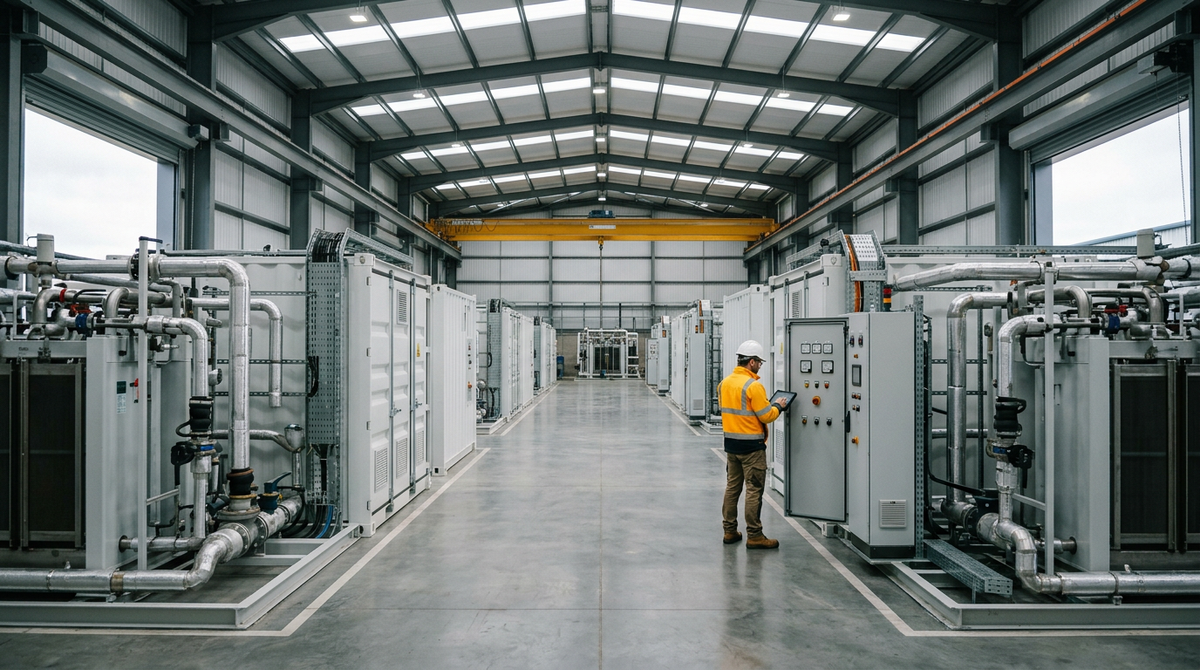
Hydrogen in 2026 looks very different from the hype cycle of a few years ago. The listed universe now spans profitable industrial-gas majors, a set of loss-making electrolyser and fuel-cell pure plays, and a smaller group of names that have found real commercial traction, most visibly in supplying firm power to AI data centres. Consolidation has been a defining feature: Danish electrolyser maker Green Hydrogen Systems entered insolvency in 2025, with thyssenkrupp nucera acquiring its key technology assets, and in February 2026 Cummins said it would stop new commercial electrolyser activity at its Accelera unit after USD 458 million of electrolyser charges, citing a weaker outlook for demand.
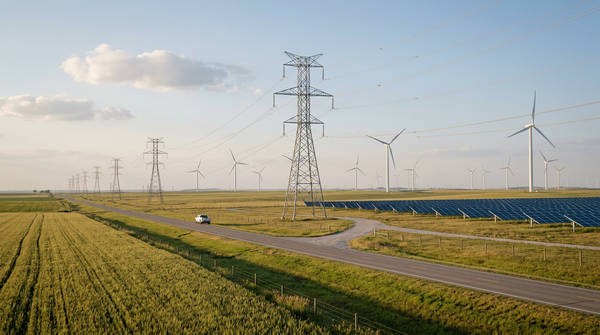
Against that backdrop, the near-term drivers worth tracking are data-centre power demand, electrolyser cost reduction, renewable-power prices and policy support, including the EU Hydrogen Bank auctions and national electrolysis targets. The five names below illustrate the different ways the theme is developing. This is a research watchlist, not a set of recommendations, and figures are drawn from public sources as at 16 October 2026. Hydrogen is best understood as a long-duration theme where economics and timelines still need work.
Bloom Energy (NYSE: BE)
Bloom has been the sector's standout, though it is only loosely a hydrogen story. Its solid-oxide fuel cells provide on-site power for commercial, industrial and data-centre customers, today running primarily on natural gas, with the platform able to run on hydrogen. Second-quarter 2026 revenue was a record USD 1.07 billion, up around 165 per cent year on year, and full-year guidance was raised to USD 3.9 billion to USD 4.2 billion. A USD 5 billion AI-infrastructure partnership with Brookfield and a USD 2.65 billion fuel-cell purchase by American Electric Power underline the data-centre pull. The share price already reflects a good deal of that growth, which leaves it sensitive to any slowdown in data-centre orders.
Plug Power (NASDAQ: PLUG)
Plug is the sector's cautionary tale and its clearest turnaround test. After more than two decades building a vertically integrated hydrogen business spanning production, liquefaction and fuel-cell fleets for customers such as Walmart and Amazon, it has yet to record an annual operating profit, and its shares have fallen from a peak above USD 75 in early 2021 to a low single-digit range. Under chief executive Jose Luis Crespo, who took over in March 2026, the focus has shifted to cost reduction, cash discipline and new markets including data centres. Gross margin improved to roughly breakeven in the second quarter of 2026, from around minus 31 per cent a year earlier, and the company is targeting positive EBITDAS in the fourth quarter. Cash burn and funding needs keep it in high-risk territory.
Linde (NASDAQ: LIN)
Linde is the profitable, lower-volatility way to follow hydrogen. One of the world's largest industrial-gas companies, it produces and supplies hydrogen at scale. Its engineering arm is building REFHYNE II, a 100 MW PEM electrolyser plant for Shell at the Rheinland refinery in Germany, with operations planned for 2027, and Linde has signed a long-term agreement to supply oxygen and nitrogen to Blue Point Number One, a large low-carbon ammonia project in Louisiana, from a new air separation unit expected to start up in 2029. Most of Linde's current hydrogen revenue comes from grey and blue rather than green hydrogen, so the green upside is incremental rather than central.
thyssenkrupp nucera (ETR: NCH2)
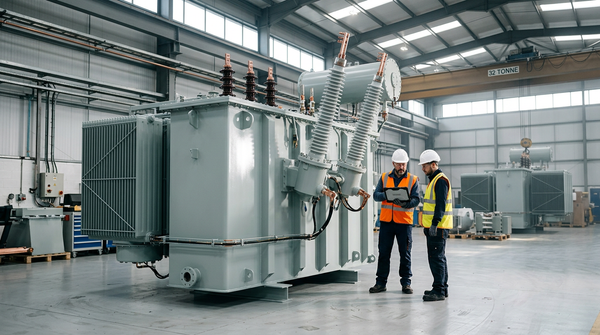
Nucera supplies large-scale alkaline electrolysers for industrial uses such as ammonia, refining and steel, alongside an established chlor-alkali business, and in 2025 it acquired the key technology assets of Green Hydrogen Systems. Order intake for the first nine months of fiscal 2025/26 nearly doubled to EUR 471 million, including Moeve's 300 MW project, but the group reported negative EBIT of EUR 69 million for the period, cut its full-year guidance and halted plans for mass production of solid-oxide cells. Its prospects are tied closely to final investment decisions on large green-hydrogen and green-steel projects, which have been slower to materialise than the sector hoped.
ITM Power (AIM: ITM)
Sheffield-based ITM designs and manufactures proton-exchange-membrane electrolysers, a technology well suited to variable renewable input; its stacks are used in Shell's REFHYNE II project. It reported a contract backlog of £152 million at the half year in January 2026, and in October 2026 narrowed its guidance for a fiscal 2026 adjusted EBITDA loss to £20 million to £21 million, an improvement of around 38 per cent on the prior year. Full-year results are due on 19 October 2026. Like most European electrolyser specialists, ITM remains loss-making, so the watch points are order conversion and progress toward sustainable margins.
The bottom line
The hydrogen theme has bifurcated. Bloom shows what commercial traction looks like, though largely as an AI-power story rather than a hydrogen one; Linde and nucera offer industrial exposure; and Plug and ITM are higher-risk turnaround and scale-up stories. The Hydrogen Council and McKinsey count around USD 110 billion of committed global investment across more than 500 projects past final investment decision, which signals real momentum, but the Cummins exit is a reminder that the cycle can turn quickly. The main risks are the cost gap between green and fossil-based hydrogen, the pace of policy support, slow project investment decisions and, for the pure plays, cash burn and dilution.
EnergyInsider is not authorised or regulated by the Financial Conduct Authority. This article is editorial content for general information only and is not investment advice or a recommendation to buy or sell any security. The author and EnergyInsider hold no positions in the companies mentioned. The value of shares can fall as well as rise. Figures are drawn from public sources as at 16 October 2026 and may change.