Why the Energy Transition Needs Insurance
Insurers have been slow to offer coverage for the types of ambitious renewable energy projects we need to accelerate the energy transition.


The entire world now accepts we need to move away from fossil fuels to alternative clean, green energy sources. At COP28 ALL governments agreed to make a just, orderly, and equitable energy transition away from fossil fuels. However, there is an invisible problem looming: insurers have been slow to offer coverage for the types of ambitious renewable energy projects we need to accelerate the energy transition.
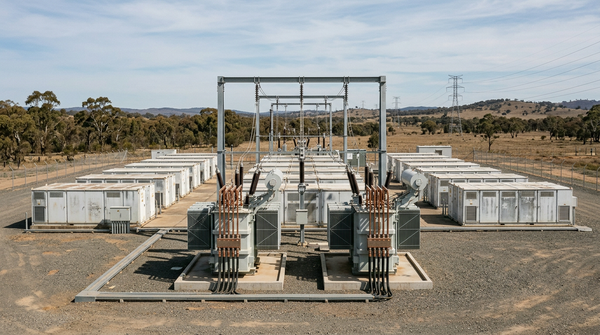
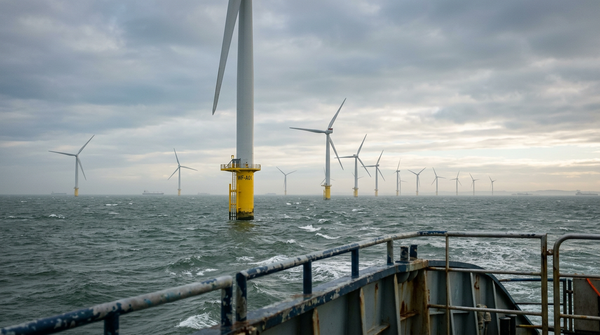
Without insurance, it can be hard to secure the financing needed to develop and complete the energy projects. In a recent article in The Financial Times, Cara Eckholm explained the issue. Many insurers are still learning how to price coverage for renewable energy sources such as solar and wind farms. And, for more nascent solutions such as green hydrogen and long duration energy storage (LDES), there are few insurance options.
Instead of continuing to underwrite fossil fuel projects, insurance companies should redirect their expertise towards understanding the many emerging clean energy solutions. McKinsey estimates the insurance market for new energy infrastructure is likely to reach $10bn-$15bn by 2030. These numbers show that the insurers who do focus on the energy transition can reap the financial rewards.