TES and CAES are challenging battery storage
According to new analysis thermal and compressed air technology are already cheaper energy storage solutions than battery storage.

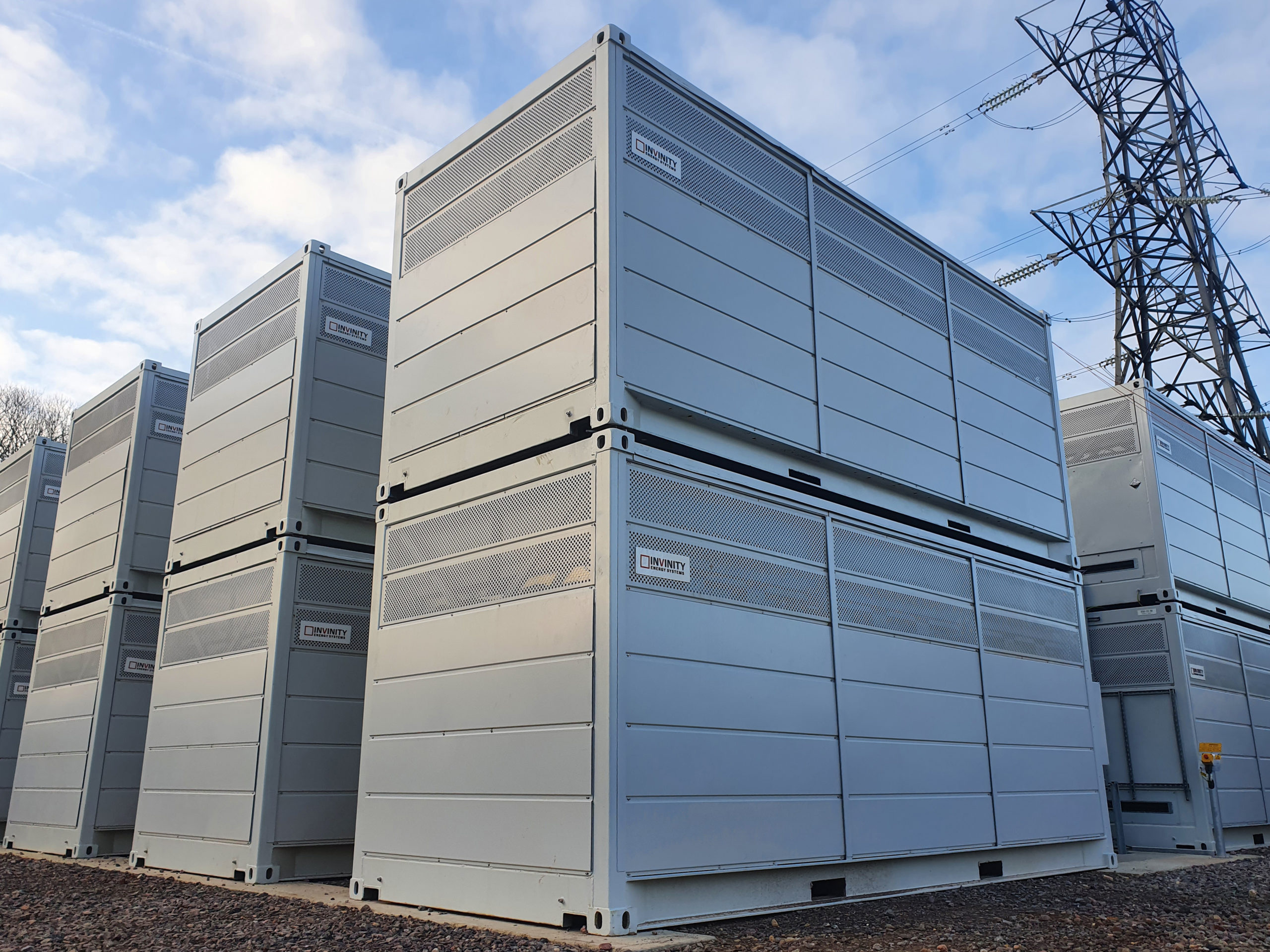
According to new analysis by BloombergNEF, thermal and compressed air technology are already cheaper energy storage solutions than battery storage.
The latest research shows the growing competition faced by lithium-ion batteries from emerging long duration energy storage (LDES) solutions. Despite being in the early stages, certain LDES options, like thermal energy and compressed air energy storage (CAES), are demonstrating cost advantages over lithium-ion for longer durations.
Thermal energy storage and CAES, for example, have an average capital expenditure of $232/kWh and $293/kWh, respectively. Lithium-ion batteries meanwhile came in at $304/kWh for four-hour duration systems.
Experts highlight the crucial role of supportive policies and continuous technological advancements in promoting the broader adoption of LDES and boosting their competitiveness with lithium-ion batteries.
The news of the adoption of the Net Zero Industry Act by Governments across the EU will certainly help here too. Julia Souder, CEO of the Long Duration Energy Storage Council, said "It’s clear LDES technologies have entered into a virtuous cycle where growing market adoption is spurring increasing innovation and cost efficiencies.".