Renewable Energy Investors in Japan & South Korea: A Founder's Guide
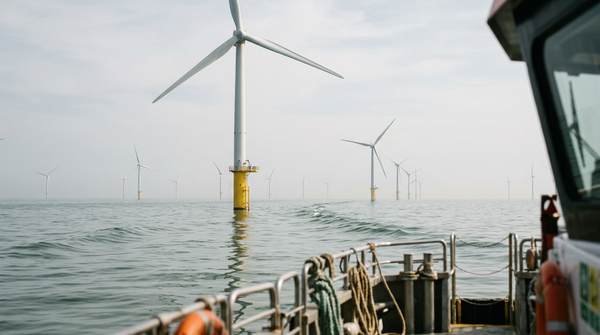
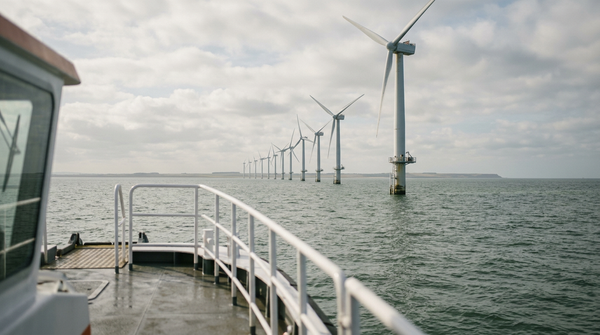
Japan and South Korea are scaling solar, offshore wind, and geothermal toward net zero. Here are 15 investors backing renewable energy founders, from independent VCs like ANRI and Global Brain to the corporate arms of JERA, LG, and SK.

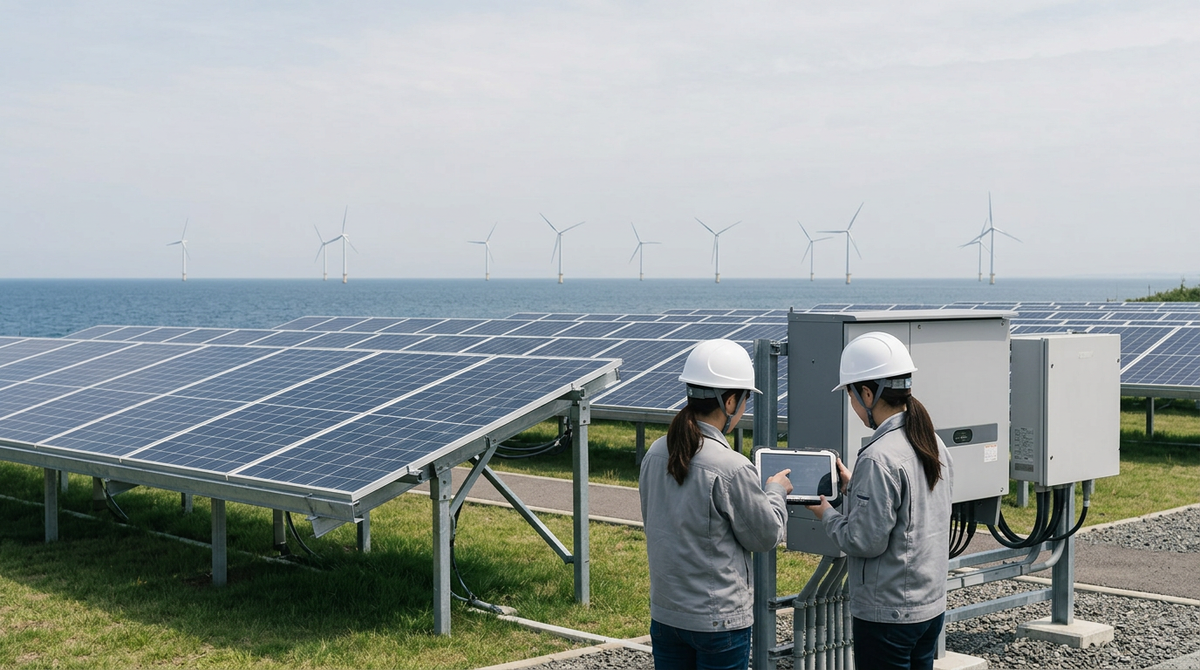
Japan and South Korea are scaling solar, offshore wind, and geothermal as both pursue net-zero by 2050, with strong government support and a venture landscape heavily shaped by large corporate and strategic investors alongside a smaller set of dedicated clean-tech funds. For founders raising Series A/B, the most relevant investors combine these corporate venture arms (which offer deployment and offtake) with energy-specialist and generalist deep-tech VCs. The profiles below carry a short type tag, then cover mandate, stage and cheque focus, and renewable activity.
1. JERA Ventures (Japan)
Type: CVC / strategic – co-invests early–growth (energy)
JERA Ventures is the corporate venture arm of JERA, Japan's largest power generator and a major investor in offshore wind and solar. The mandate spans renewable generation, grid, virtual power plants, and decarbonisation, typically at early-to-growth stage, and it offers startups access to JERA's projects and supply chains. For generation founders, JERA offers a route to one of the world's largest power platforms.
2. Japan Energy Fund (Japan Energy Capital)
Type: VC + corporate LPs – leads seed/Series A
Japan Energy Fund runs a decarbonised-tech venture fund backed by corporates including Toshiba Energy Systems, investing in climate tech globally. The mandate covers renewable generation, offshore wind, virtual power plants, and demand response, at early stages with cheque sizes suited to seed and Series A. Its corporate LP base makes it a strong strategic-plus-financial partner for generation founders.
3. Energy & Environment Investment (Japan)
Type: VC – leads early stage (cleantech specialist)
Energy & Environment Investment (EEI) describes itself as Japan's first VC specialised in clean technology, with hands-on operating experience among its partners. The mandate is early-stage clean-tech, providing risk capital and strategic support to energy and generation startups, including solar and renewables. For Japanese generation founders, EEI is one of the longest-standing domestic specialists.
4. ANRI (Japan)
Type: VC – leads seed/early stage (deep tech)
ANRI is a leading Japanese seed and early-stage VC with a strong science and deep-tech focus, including energy and frontier generation such as fusion. The mandate is seed and Series A, often as a first institutional backer of technically ambitious founders, with follow-on into later rounds. For Japanese generation founders, ANRI is one of the most credible independent early leads.
5. Global Brain (Japan)
Type: VC – leads seed–growth (with CVC funds)
Global Brain is a major independent Tokyo VC with over $1.8bn under management, running both flagship funds and numerous corporate venture funds, and active in carbon-neutral and energy technologies. The mandate spans seed to growth with global reach and hands-on support, and it has backed energy and frontier-generation companies. For generation founders, it offers independent venture capital plus access to a network of corporate co-investors.
6. B Dash Ventures (Japan)
Type: VC – leads seed–late (generalist)
B Dash Ventures is a major Japanese VC investing from seed to late stage across Japan, Asia-Pacific, and the US, with LPs spanning the country's largest corporates and financial institutions. The mandate is broad technology rather than generation-specific, but its scale and follow-on capacity let it lead Series A/B rounds in energy and hard-tech companies. For founders, B Dash offers reach into Japan's corporate and capital-markets ecosystem.
7. Keio Innovation Initiative (Japan)
Type: University VC – leads seed/early (deep tech)
Keio Innovation Initiative is the university venture fund of Keio University, commercialising research-based deep tech including energy and materials. The mandate is seed and early-stage, backing IP-rich spinouts, and it is well suited to generation founders emerging from Japanese academic research. It offers proximity to research facilities alongside early capital.
8. Real Tech Holdings (Japan)
Type: VC – leads seed/early stage (hard science)
Real Tech Holdings is a Japanese deep-tech investor focused on hard science and university research addressing global challenges, including energy, materials, and decarbonisation. The mandate is early-stage and science-led, backing IP-rich founders commercialising difficult technology. For generation founders working on novel solar, geothermal, or materials science, Real Tech is a natural specialist early backer.
9. SoftBank / SB Energy ecosystem (Japan)
Type: Strategic / growth – later rounds
SoftBank's broad investment activities and its energy affiliate give it significant exposure to solar and renewables, both as a strategic deployer and an investor in energy technology. The mandate ranges from growth-stage venture through large strategic and infrastructure commitments, making it most relevant for generation founders at later Series rounds. Founders should view SoftBank-linked capital as a large strategic option rather than an early lead.
10. SK ecosystem ventures (South Korea)
Type: CVC / strategic – venture–growth (energy)
The SK Group's venture and investment arms are active across energy, renewables, and decarbonisation, reflecting SK's large energy businesses. The mandate spans venture through strategic growth investment, with a focus on technologies that complement the group's energy operations. Generation founders can access scale and offtake potential, typically as a strategic co-investor alongside a financial lead.
11. Korea Investment Partners (South Korea)
Type: VC – leads early–growth (generalist)
Korea Investment Partners is one of South Korea's largest and longest-established independent VCs, investing across technology, materials, and increasingly clean energy. The mandate spans early to growth stages with substantial capital, providing a non-chaebol financial lead option in a market dominated by corporate arms. For Korean generation founders, KIP is a credible independent lead to pair with a strategic energy co-investor.
12. LG Technology Ventures (South Korea)
Type: CVC / strategic – early-stage
LG Technology Ventures is the venture arm of the LG Group, managing over $400m and investing in early-stage startups across advanced materials and energy. The mandate is early-stage strategic venture, and its parent's energy and materials businesses give portfolio companies deep technical insight. For generation founders working on solar materials or power electronics, LG Technology Ventures is a high-value strategic backer.
13. Samsung Ventures (South Korea)
Type: CVC / strategic – early–growth
Samsung Ventures is the corporate VC of the Samsung group, investing globally across deep tech and materials, with relevance to solar and power electronics. The mandate spans early to growth stages with strategic intent, offering portfolio companies access to one of the world's leading electronics manufacturers. For generation founders working on cells, materials, or power systems, Samsung Ventures is a strong strategic backer.
14. DSC Investment (South Korea)
Type: VC – leads early/growth
DSC Investment is a leading independent Korean VC investing across technology and increasingly clean energy and deep tech, from early through growth stages. The mandate favours technically differentiated companies, and as an independent fund it offers a financial-lead alternative to the chaebol arms. It is a relevant lead for Korean generation founders at Series A/B.
15. DBJ Capital (Japan)
Type: VC / institution-backed – leads early–growth
DBJ Capital is the venture arm linked to the Development Bank of Japan, an active investor across technology including energy and industrial companies. The mandate spans early to growth stages with the backing of a major institution, giving it the capacity to support capital-intensive scaling. For generation founders, it pairs institutional stability with conventional venture investment.