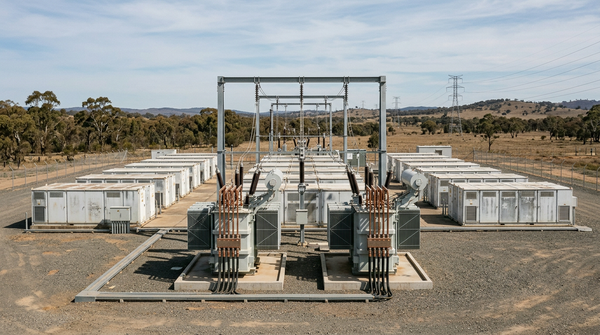
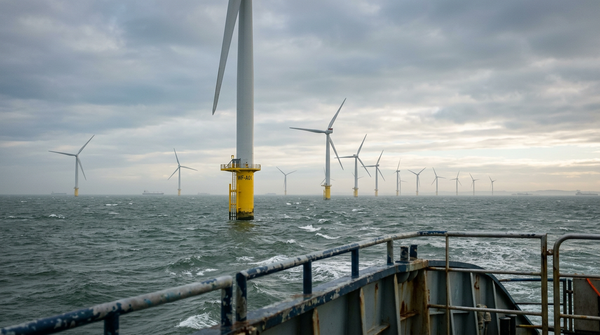
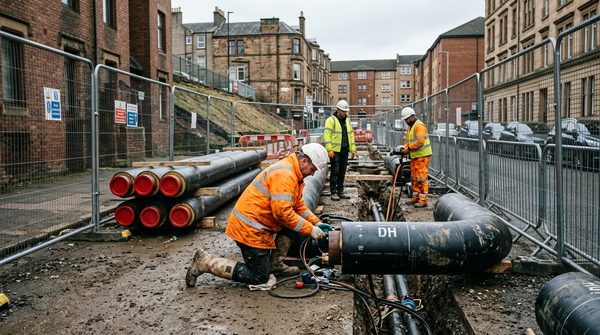
New York regulator approves state plan to achieve a 6GW energy storage goal by 2030
Commission has approved plans to guide the state to its 2030 energy storage policy target.

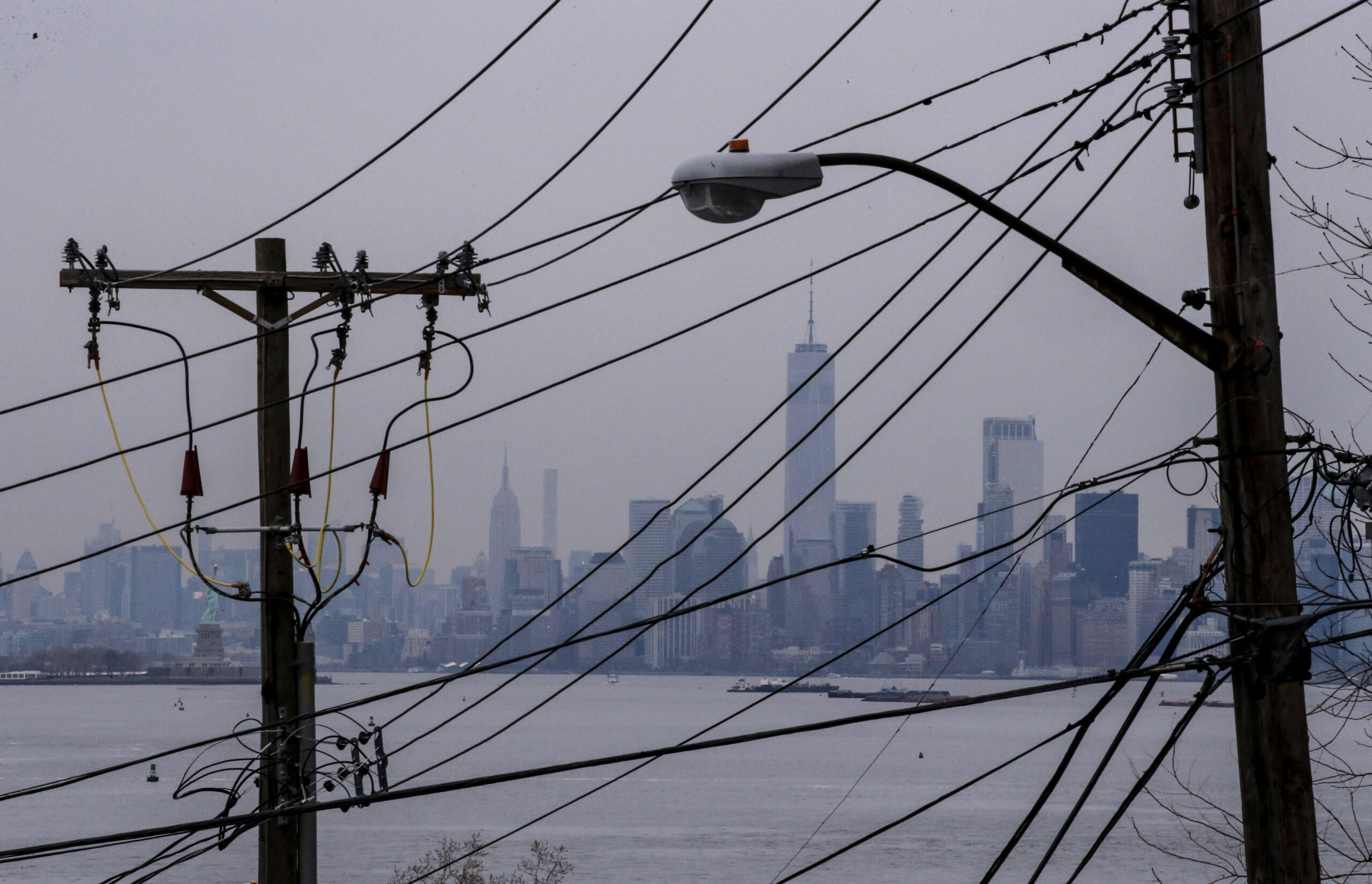
The New York Public Service Commission (PSC) has approved a plan to guide the state toward its 2030 energy storage target, including proposals for large-scale battery storage.
Governor Kathy Hochul announced on June 20 that the Energy Storage Roadmap 2.0, created by the New York Department of Public Service and the New York State Energy Research and Development Authority (NYSERDA), has been approved. On the same day, she also announced a new competitive solicitation for onshore renewable energy resources, administered by NYSERDA.
Both renewable energy and energy storage are critical to achieving the state's targets, which include 70% renewable energy on the New York grid and the deployment of 6GW of energy storage by 2030. These targets are central to the state’s Climate Protection and Community Leadership Act (CPCLA), initiated by former Governor Andrew Cuomo and expanded by Hochul when she took office in early 2023.
Hochul highlighted that increasing energy storage would help New York transition to 100% emissions-free electricity by 2040, improve air quality, and reduce electricity system costs by about $2 billion. As of April, the state had awarded approximately $200 million in incentives for 396MW of battery energy storage systems (BESS) in operation, with an additional 581MW in development. However, New York lags behind leading states like Texas and California, with California having over 10GW of batteries connected to its grid.
The Energy Storage Roadmap 2.0, published just before 2023, includes six main proposals. Among these are NYSERDA-led solicitations for 4.7GW of storage across utility-scale, commercial and industrial (C&I), community storage, and residential systems. Utility-scale storage procurement will use an 'Index Storage Credit' mechanism similar to New York’s Renewable Energy Certificate (REC) scheme, aiming to mitigate merchant risk for storage developers while balancing profits.
The Index Storage Credit mechanism is set to account for 3GW of utility-scale storage. Existing NYSERDA block incentive programs will support the development of 1.5GW of community storage and 200MW of residential storage. The roadmap also includes provisions for 35% of program funding to benefit disadvantaged communities and reduce reliance on fossil fuel-powered peaker plants.
Furthermore, electric utilities will be required to conduct comprehensive studies on the value of investing in energy storage as alternatives to costly transmission and distribution upgrades. Research and development in areas such as long-duration energy storage (LDES) will be prioritized at the state level. Workers on projects qualifying for state programs will need to be paid prevailing wages.
Despite a slow start and setbacks such as fires at BESS projects in 2023, the state's efforts, including new fire safety recommendations, aim to accelerate progress. Dr. William Acker, executive director of New York BEST, remarked that the new roadmap would create a strong market for energy storage in the state.
Governor Hochul stated, "Expanding energy storage technology is a key component to building New York’s clean energy future and reaching our climate goals. This new framework provides New York with the resources it needs to speed up our transition to a green economy while ensuring the reliability and resilience of our grid."