Batteries step in after interconnector trips
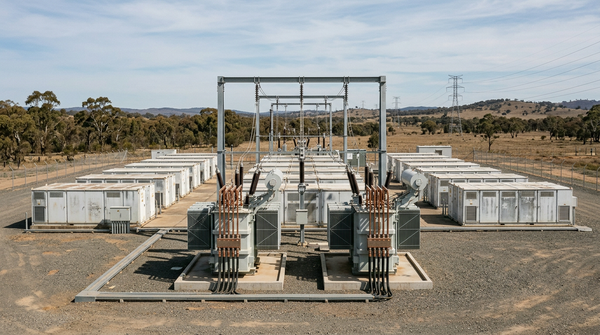
Battery energy storage systems (BESS) quickly stabilised the UK and Irish grids after major interconnector failures.

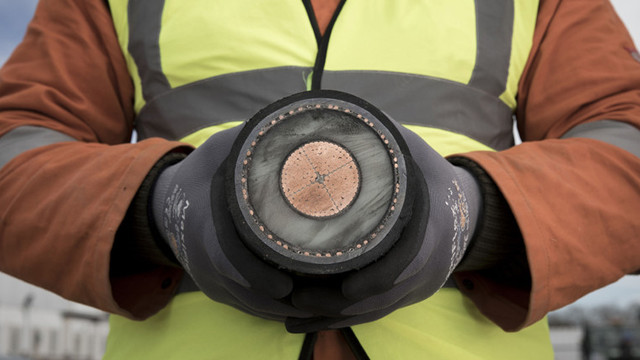
Several battery energy storage systems (BESS) played a critical role in stabilizing the energy grid after the NSL interconnector, which connects the UK and Norway, abruptly stopped exporting power to the UK at around 8:47 AM.
Norwegian power exports plunged from 1.4GW to zero, causing the network frequency to drop as low as 49.59Hz within two seconds, significantly below the National Energy System Operator's (NESO) operational range of 49.8–50.2Hz. Thanks to rapid frequency response services, particularly BESS operations, the system was able to recover within two minutes.
Roger Hollies, CTO of Arenko Group, shared on LinkedIn that 1.5GW of batteries across NESO’s network supplied power during the disruption, including 12 batteries managed by Arenko’s Nimbus platform. According to BESSAnalytics.com, Arenko optimizes approximately 333MW of BESS assets in the UK.
Hollies emphasized the importance of BESS in responding to grid disruptions, noting: “It’s exciting to see batteries seamlessly keeping the lights on while engaging in diverse activities to maximize revenue. During this 50-minute window, these 12 batteries participated in nine different markets and services. This complexity will only grow as Quick Reserve goes live and local markets expand with more renewables.
Similarly, Kraken, a subsidiary of Octopus Energy, saw its BESS assets respond to the grid imbalance caused by the interconnector failure. In a LinkedIn post, Charlotte Johnson, Kraken's global director of markets, reported that BESS units contracted for frequency services delivered over 450MW of response—equivalent to about a third of the power lost during the interconnector failure.
Statkraft also helped stabilise the grid following a separate failure of the Moyle interconnector, which was transferring 442MW of power from Great Britain to Ireland on the same day that the UK’s last coal plant was permanently closed.
In a statement, Statkraft noted that batteries on both sides of the interconnector reacted within fractions of a second to stabilise the grids in Britain and Ireland. As the Irish grid frequency dipped to 49.7Hz, the 26MW Kelwin Battery project in County Kerry, Ireland, began exporting power, while the Scottish Greener Grid Park started importing additional power to balance the systems.
Jason Hill, head electrical engineer for grid services at Statkraft, said: “This event demonstrates how Statkraft’s innovative projects in both Great Britain and Ireland are vital to maintaining stable electricity networks, preventing supply disruptions. As we transition to a zero-carbon grid, technologies like these will be key components of the infrastructure.”